
Skip to content

Load-Bearing Wall Removal Done Right

OpenSpan Structural doesn’t treat wall removal as demolition—it’s a structural process that requires planning, precision, and proper load transfer.
We provide a complete, start-to-finish solution for load-bearing wall removal, handling everything from structural evaluation and design to beam installation, permitting, and coordination with your project team.

Key Considerations

• Span length and opening size
• Direction of floor and ceiling framing
• Bearing points and load paths
• Structural support below (foundation or framing)

Process

Evaluate → Analyze → Define structural solution

Phase 1: Evaluation & Structural Design

Every successful wall removal starts with a clear understanding of how the structure actually works, not just what’s visible on the surface. Behind drywall and finishes, loads are carried through a system of joists, beams, and supports that must remain continuous and properly transferred.
We evaluate how those loads move through the home, identifying whether a wall is load-bearing, how much weight it carries, and where that load ultimately needs to go. This includes reviewing span direction, bearing locations, and how the structure below supports the system.
From there, we define a structural solution tailored to the real conditions of the space. Beam sizing, support locations, and installation approach are engineered to ensure the final design is safe, buildable, and aligned with how the structure performs both during and after construction.

Key Considerations

• Span length and structural load requirements
• Headroom and ceiling alignment (flush vs dropped)
• Steel vs engineered wood beam applications
• Integration with existing framing
• Lead times and material availability

Process

Select → Specify → Order → Schedule delivery

Phase 2: Beam Selection & Material Planning
Once the structural design is complete, the next step is translating that plan into the right materials for the job. The beam and support system are not one-size-fits-all—they are selected based on span, load requirements, and how the structure needs to perform.
We determine the appropriate beam type and configuration, whether that involves steel for longer spans and tighter profiles, engineered wood for efficient residential integration, or a hybrid approach depending on the conditions.
We also account for how the beam will sit within the space—flush with the ceiling for a seamless look or dropped below framing where required. These decisions impact both structural performance and the final appearance of the finished space.
Once specified, materials are ordered and scheduled in alignment with the project timeline, ensuring everything is ready before work begins and eliminating delays once construction starts.

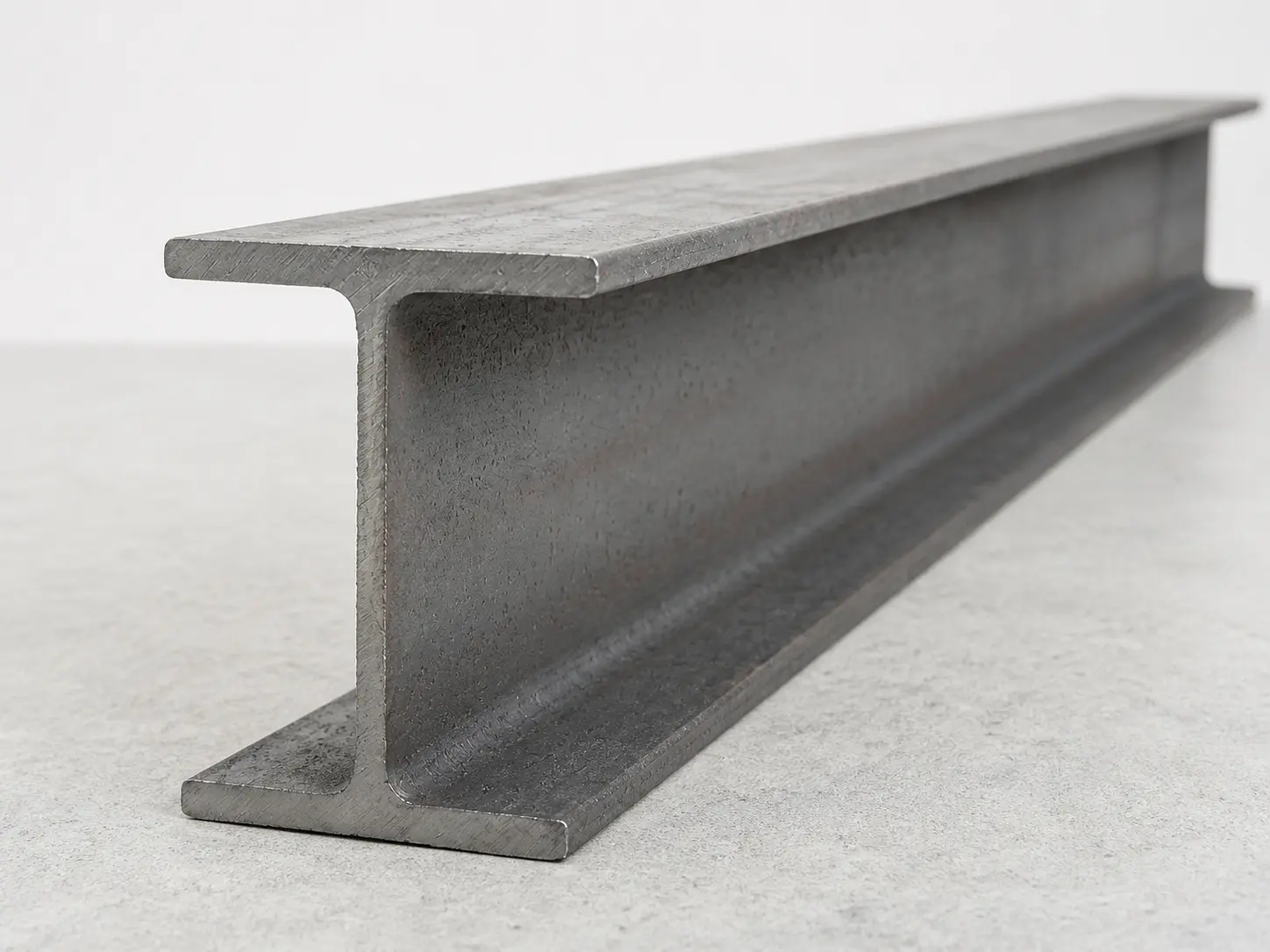
Steel I-Beam

For long spans, heavy loads, and compact structural support.
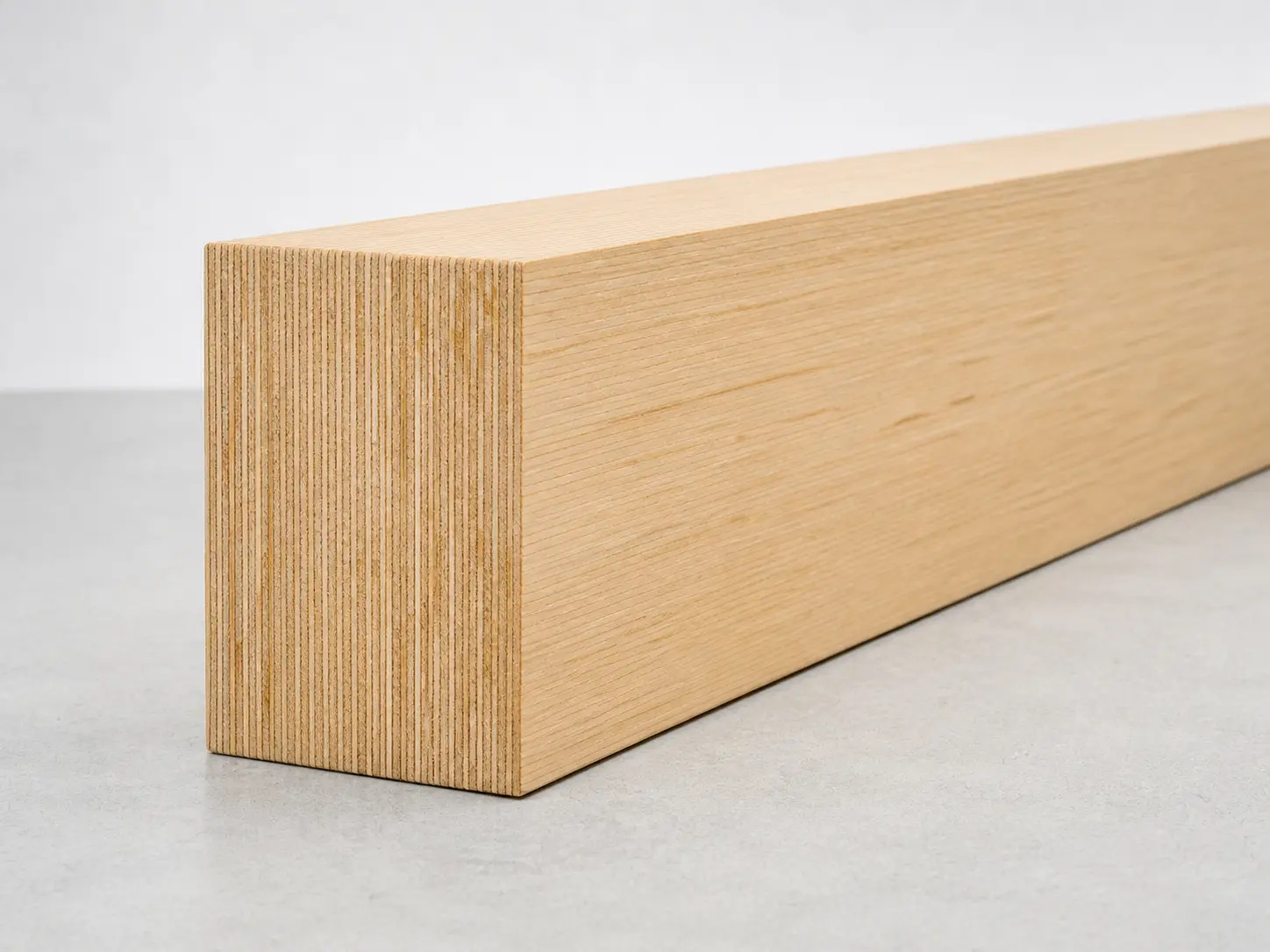
LVL Beam

An engineered wood beam made from laminated veneer lumber, commonly used in residential wall removals because it offers reliable strength and predictable performance.
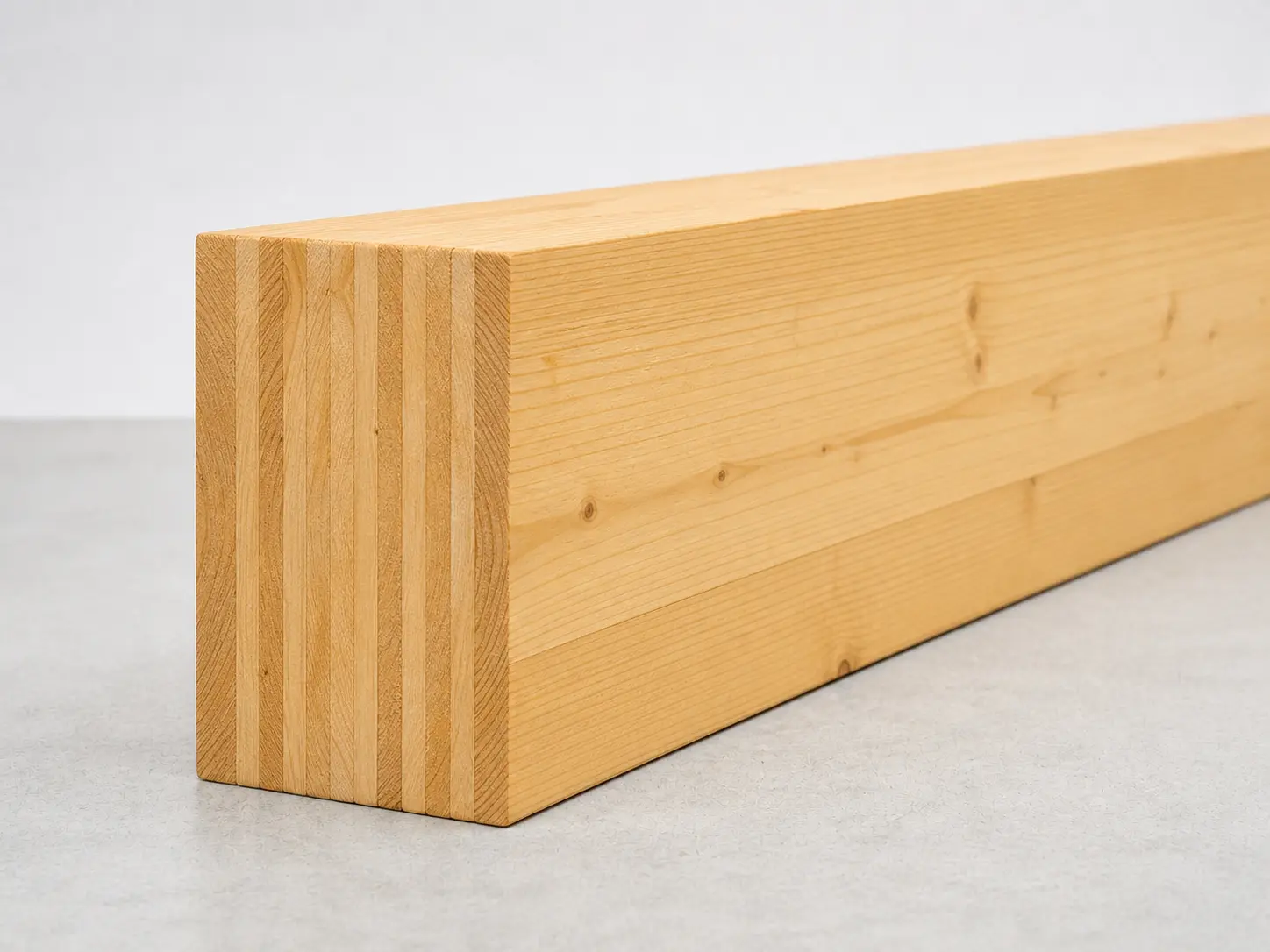
Glulam Beam

Structural timber with a more finished architectural appearance.
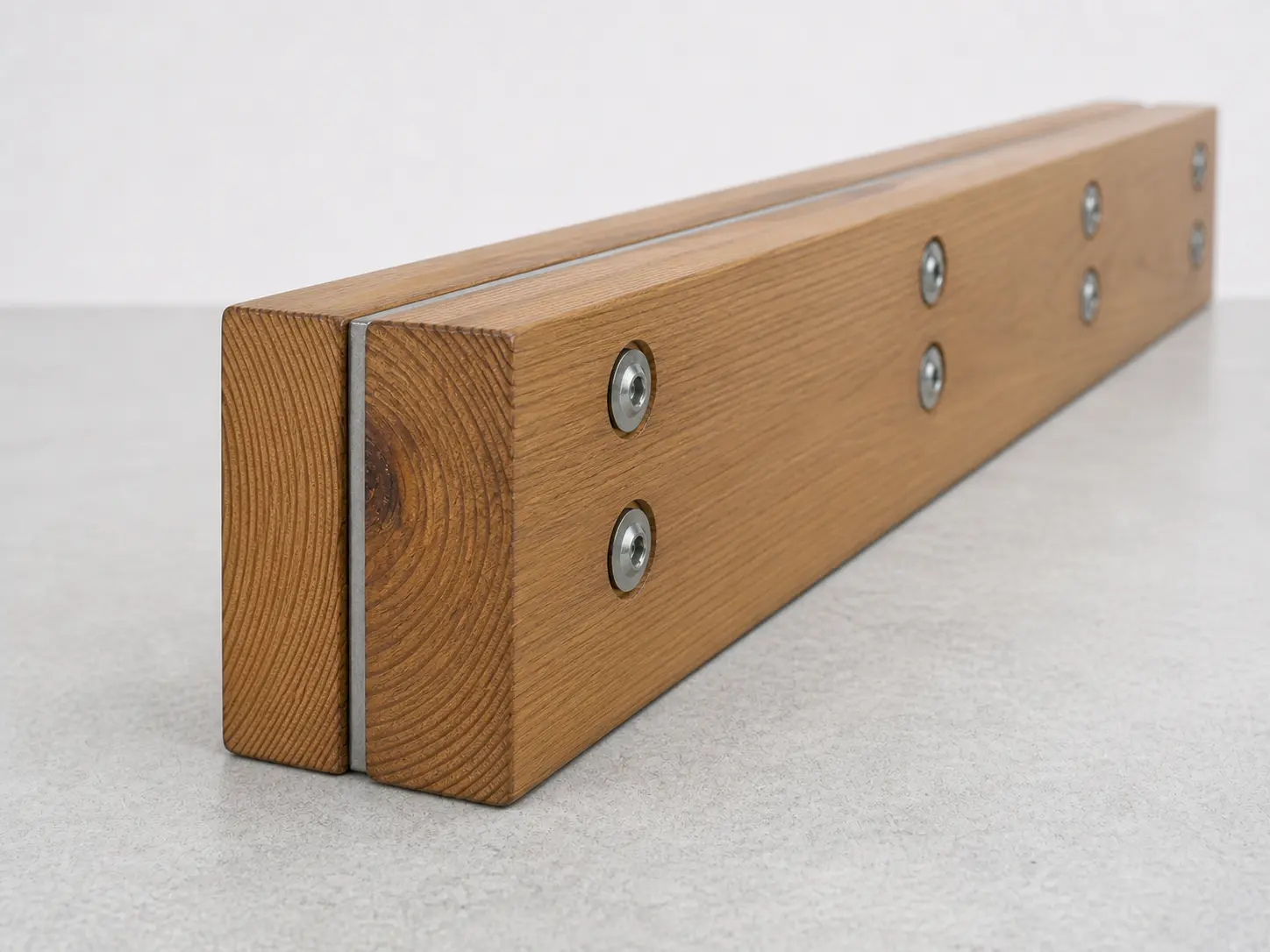
Flitch Beam

Wood and steel combined for extra strength in tight framing conditions.
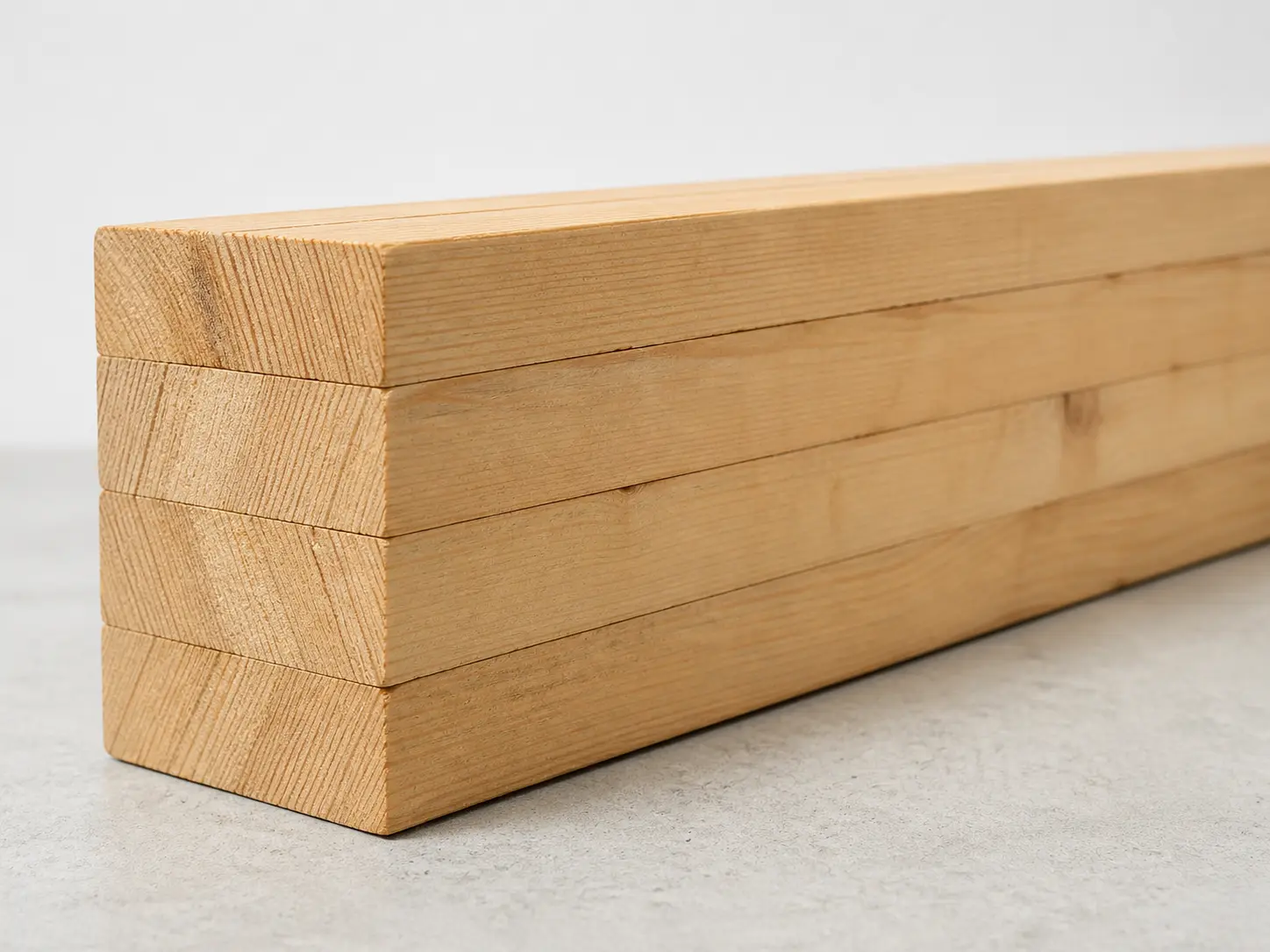
Built-Up Wood Beam

The stacked wood beam made from multiple dimensional lumber members fastened/stacked together.
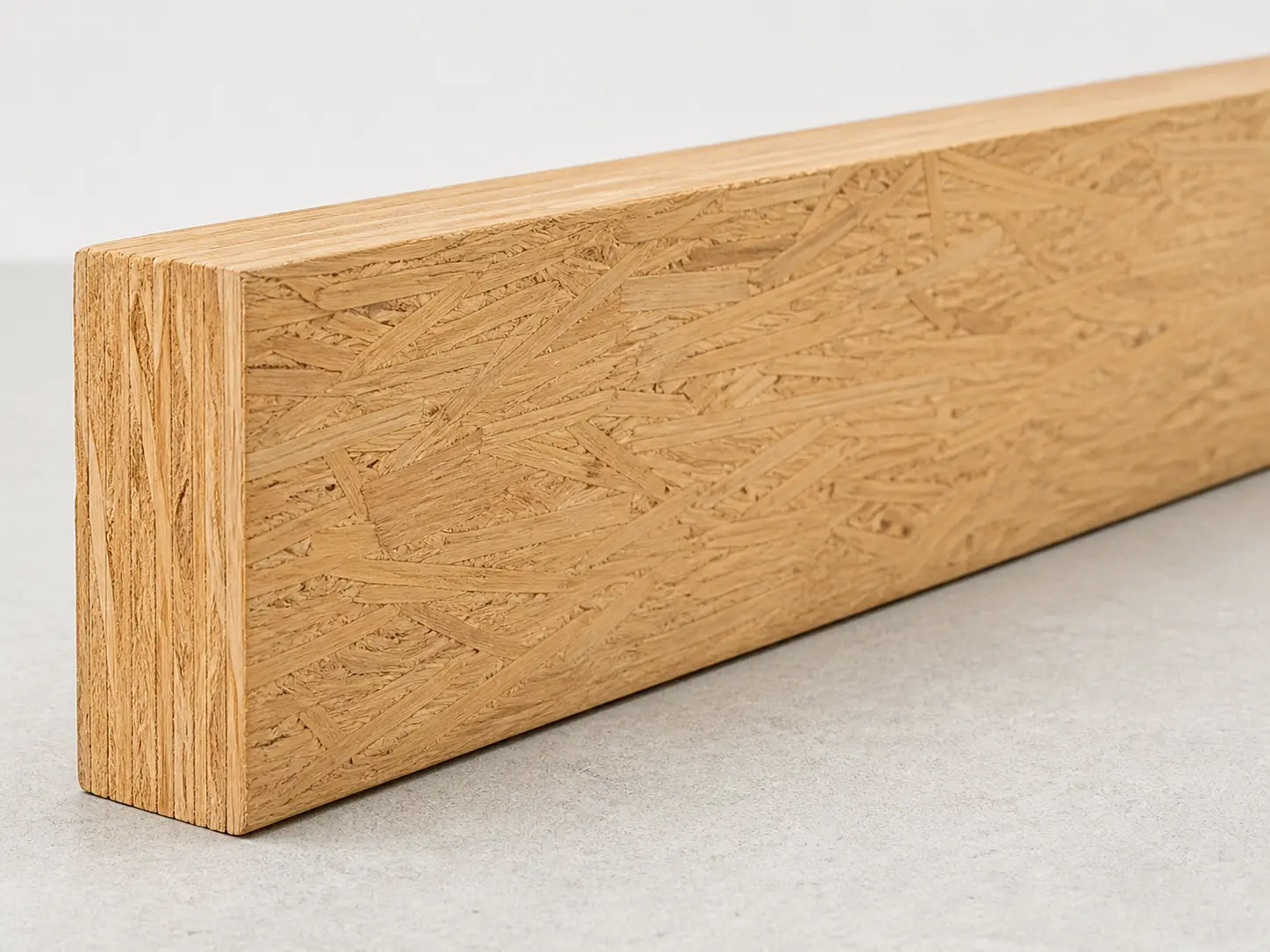
PSL / Engineered Strand Beam

The engineered wood beam with a distinct compressed strand / chip-like texture across the face.

Key Considerations

• Existing load paths and support points
• Placement of temporary supports
• Load distribution during transition
• Maintaining alignment and stability

Process

Support → Stabilize → Prepare for structural transition

Phase 3: Temporary Support & Preparation

Before any portion of a load-bearing wall is removed, the structure must be fully and intentionally supported. The loads carried by that wall do not disappear during construction, they must be safely redirected and held in place while the transition to the new structural system occurs.

We design and install temporary shoring systems to carry both live and dead loads during this phase. These supports are positioned based on the existing framing layout and load paths, ensuring weight is properly distributed and the structure remains stable throughout the process.
This step allows for controlled, methodical removal of the wall while maintaining alignment and preventing movement, settling, or unintended stress on surrounding areas.

Key Considerations

• Beam type (steel or engineered wood)
• Proper bearing at support points
• Post and column placement
• Load transfer to structure below

Process

Install → Align → Transfer loads → Secure structure

Phase 4: Beam Installation & Load Transfer

This is the core of the work, replacing the load-bearing wall with a structural system designed to carry those loads long-term. The beam and support system must be installed with precision to ensure the structure performs exactly as intended.
We install steel or engineered wood beams, set posts or columns where required, and modify existing framing to integrate the new system. Each component is carefully positioned to ensure proper bearing and alignment, allowing loads to transfer cleanly from above into the supporting structure below.
Once in place, all load paths are properly connected and secured, resulting in a permanent structural solution that meets code requirements and allows the space to function as designed.

Let’s Get Your Structure Right

Removing a load-bearing wall requires more than demolition—it requires a clear structural plan and precise execution. We specialize in beam installation and structural support systems that keep your project moving safely and efficiently.
Whether you’re a homeowner planning a renovation or a contractor coordinating a build, we provide a defined structural scope from initial evaluation through final inspection.

Key Considerations

• Interaction with electrical, plumbing, and HVAC
• Sequencing between trades
• Access and clearance requirements
• Minimizing disruptions during construction

Process

Review → Anticipate → Coordinate → Support project flow

Phase 5: Permits, Inspections & Coordination

Load-bearing wall removal often impacts more than just the structure. Electrical wiring, plumbing lines, and mechanical systems are frequently located within or around these walls and must be accounted for during planning and execution.
While those trades are handled separately, we evaluate how structural changes will affect the surrounding systems and overall project flow. This includes identifying potential conflicts, access limitations, and sequencing considerations before work begins.
This level of coordination helps reduce surprises during construction and supports a smoother integration between trades. The result is a more efficient project, with fewer disruptions and a clearer path from structural work to finished space.

Your questions answered

Common services questions

Load-bearing wall removal is a controlled structural process—not simple demolition. We begin with evaluation and design, install temporary shoring to support the structure, complete the beam and support installation, and coordinate the required inspection.

Each step is planned and executed to maintain structural stability from start to finish.
Most structural installations are completed within a few days once work begins. The exact timeline depends on factors like span length, beam type, and site conditions, but the installation itself is typically efficient and well-coordinated.

We focus on completing the structural scope cleanly so the rest of your project can move forward without delay.
Yes—we manage the structural permit and inspection process as part of our scope. This includes submitting the permit, coordinating with the local building department, scheduling inspections, and closing the permit once approved.

By keeping the permit limited to the structural scope, the process remains clear, predictable, and efficient.
No—OpenSpan Structural focuses exclusively on the structural portion of the project. Our scope includes evaluation, temporary support, beam and structural installation, and coordination of the required structural inspection.

We do not perform drywall, flooring, trim, electrical, plumbing, or other finish work. Those trades are handled separately by your contractor or project team.

By keeping our scope focused, we ensure the structural work is completed correctly, efficiently, and without overlap—allowing the rest of your project to move forward smoothly.

Don’t See Your Exact Situation? Let’s Talk.

Not every project fits neatly into a predefined scope—especially when it comes to structural work. While we specialize in load-bearing wall removal and beam installation, we regularly work with homeowners and contractors facing unique conditions, unexpected findings, or projects that don’t follow a standard path.
If you’re unsure whether your project fits within our scope, we’re always open to a conversation. In many cases, a quick discussion can clarify the structural requirements, identify potential challenges, and help determine the right next step—whether that involves our team or another approach.
Our goal is simple: provide clear, honest guidance so you can move forward with confidence.