
Load-Bearing Wall Removal Done Right
- Home
- SERVICES
Key Considerations
• Direction of floor and ceiling framing
• Bearing points and load paths
• Structural support below (foundation or framing)
Process
Phase 1: Evaluation & Structural Design
Key Considerations
• Headroom and ceiling alignment (flush vs dropped)
• Steel vs engineered wood beam applications
• Integration with existing framing
• Lead times and material availability
Process
Phase 2: Beam Selection & Material Planning
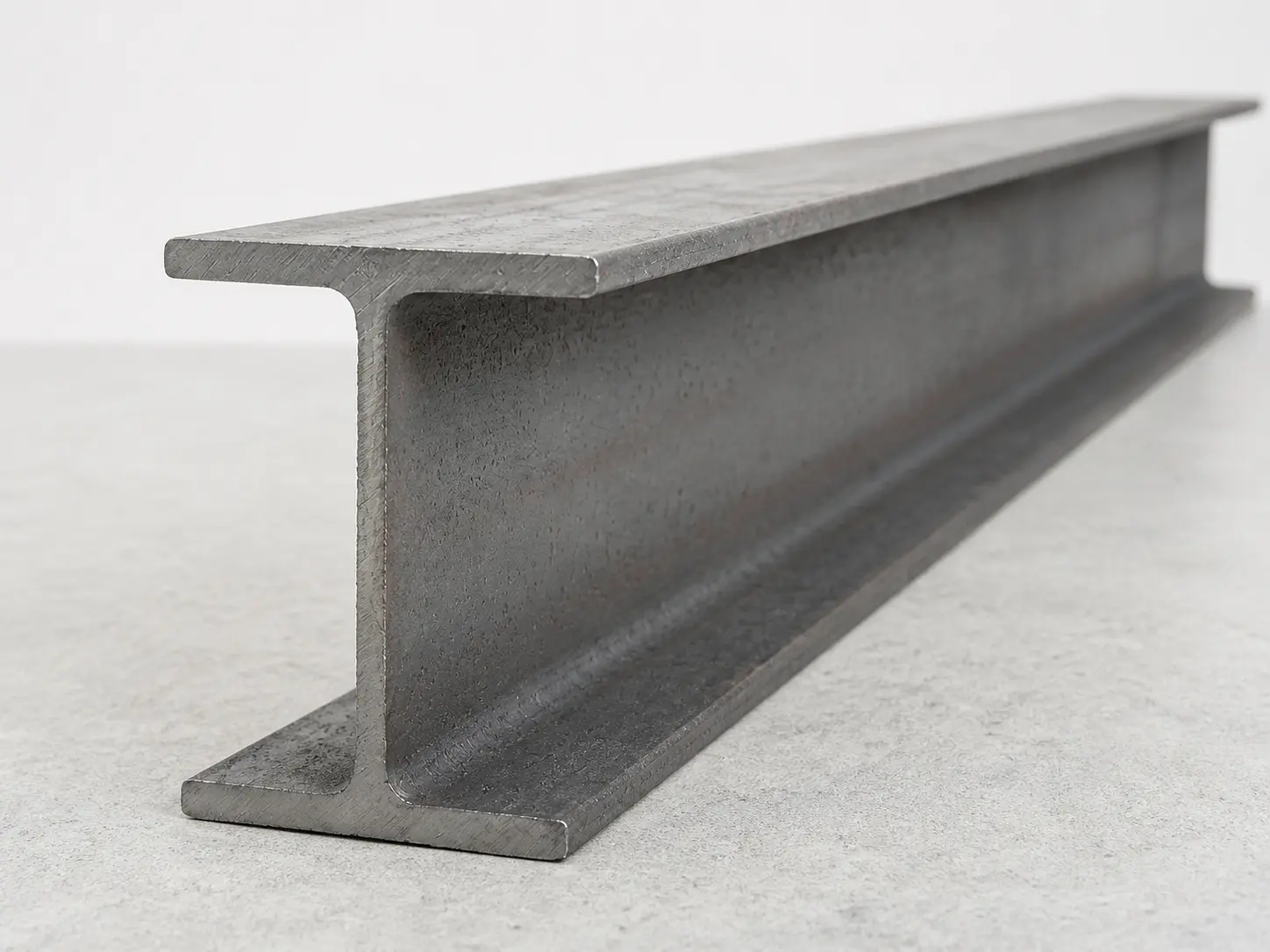
Steel I-Beam
For long spans, heavy loads, and compact structural support.
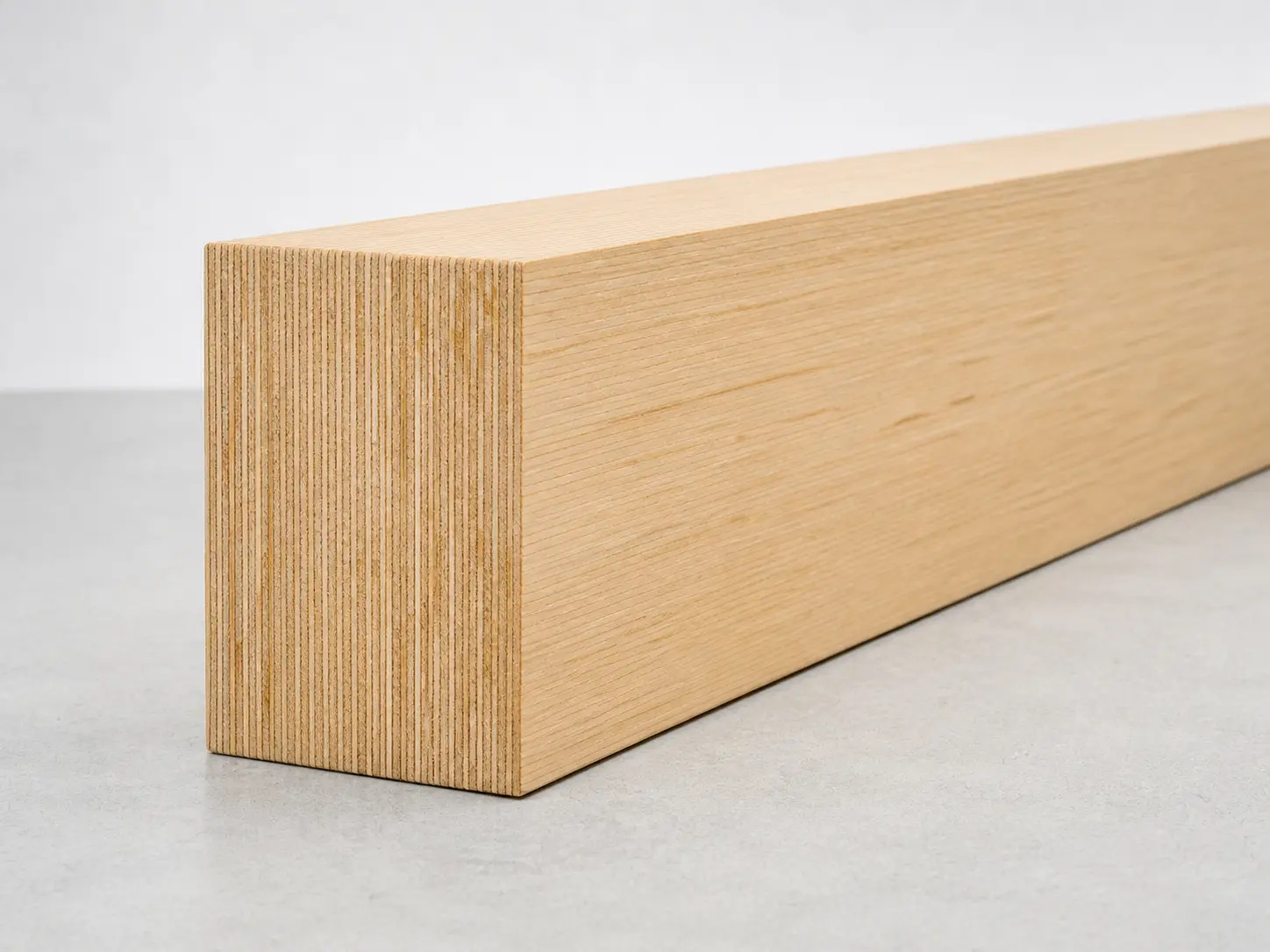
LVL Beam
An engineered wood beam made from laminated veneer lumber, commonly used in residential wall removals because it offers reliable strength and predictable performance.
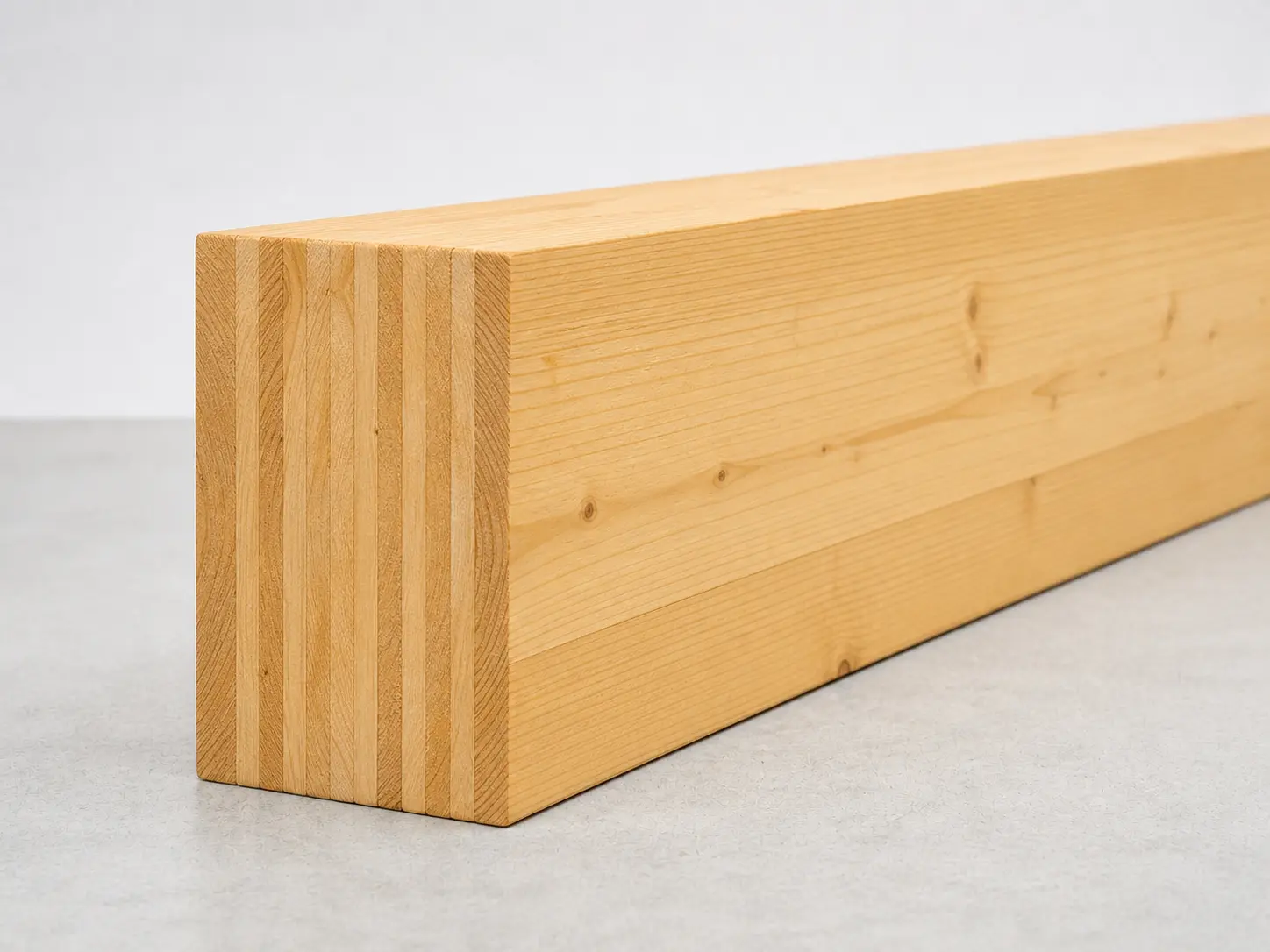
Glulam Beam
Structural timber with a more finished architectural appearance.
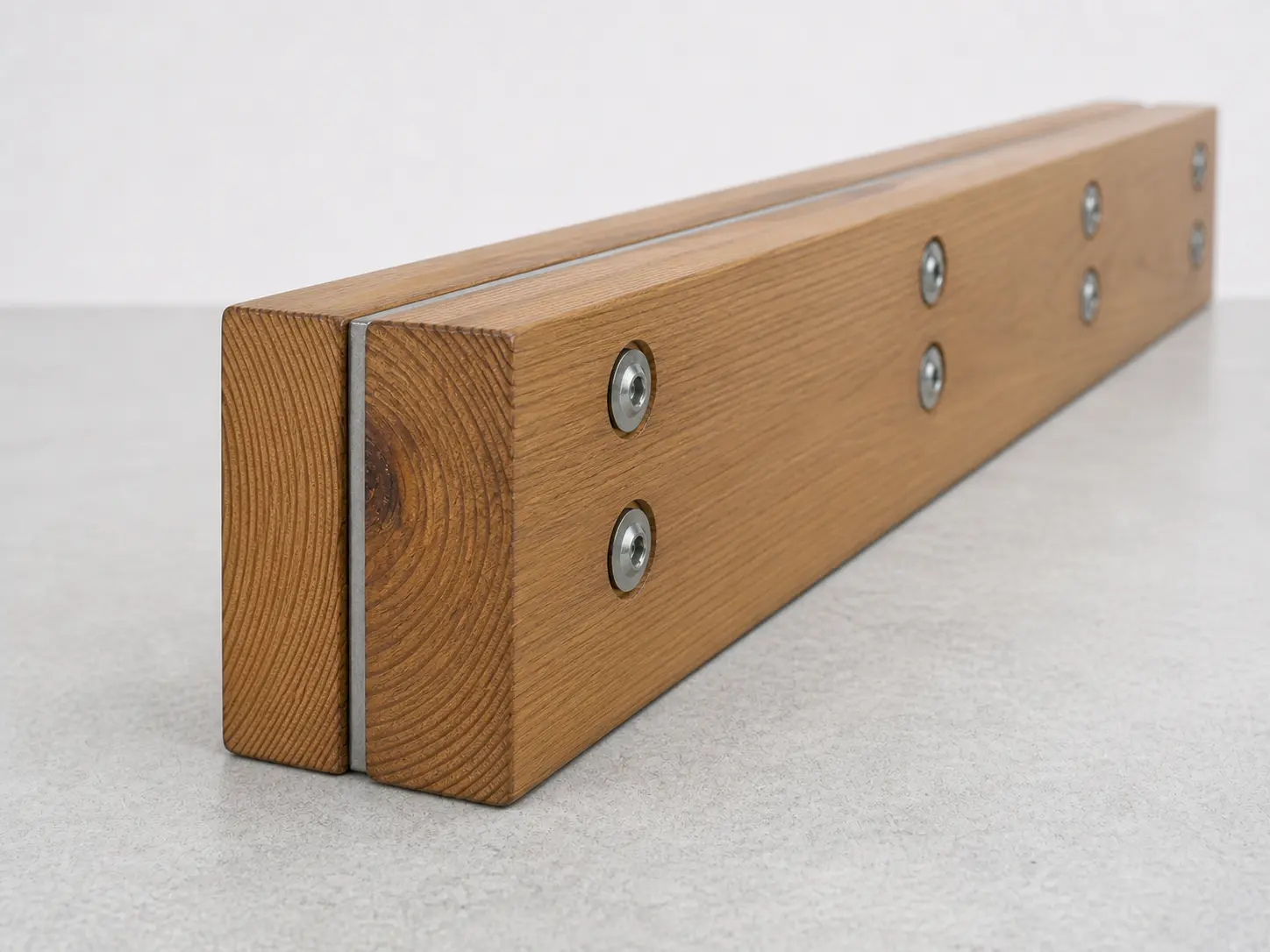
Flitch Beam
Wood and steel combined for extra strength in tight framing conditions.
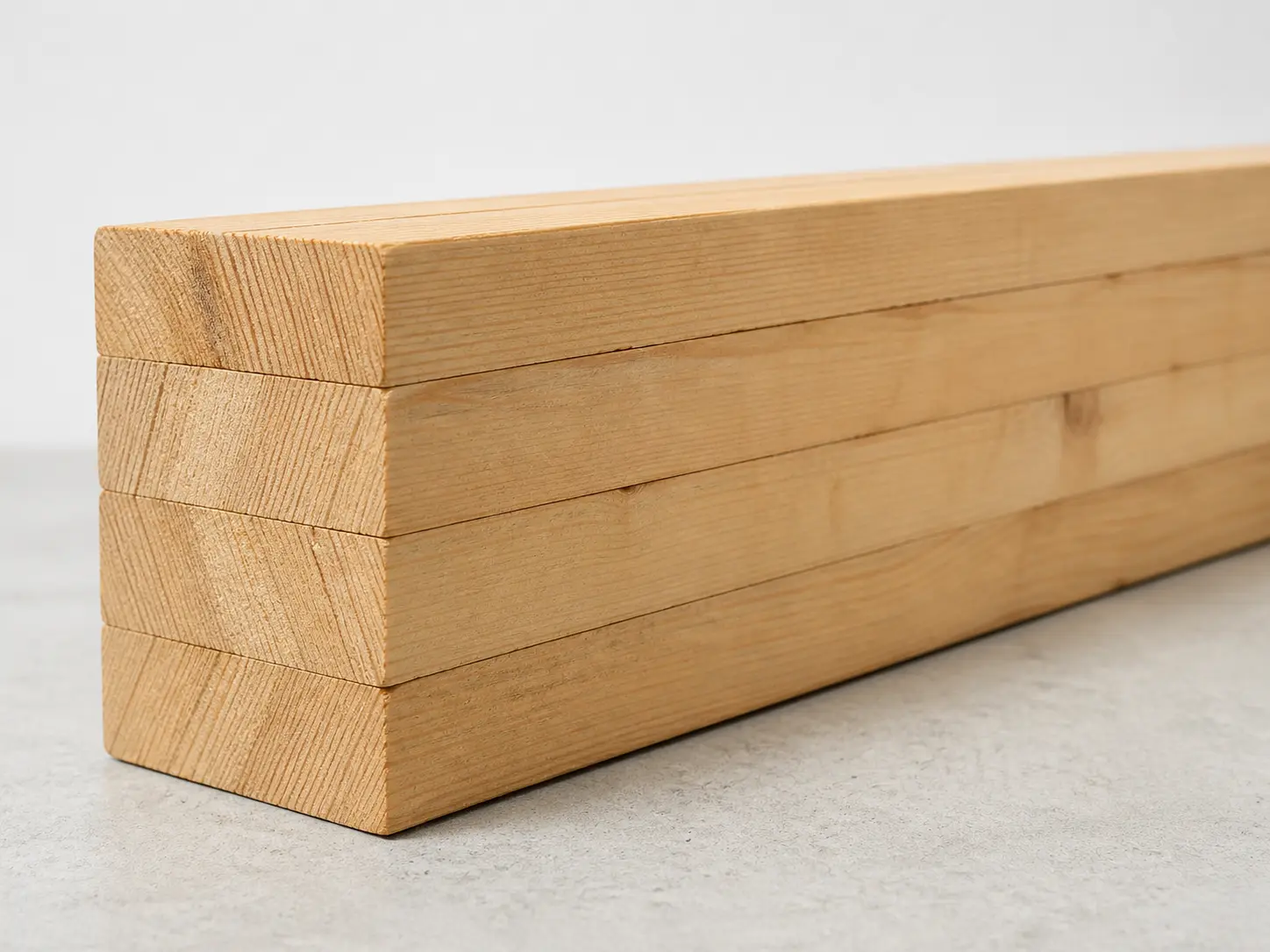
Built-Up Wood Beam
The stacked wood beam made from multiple dimensional lumber members fastened/stacked together.
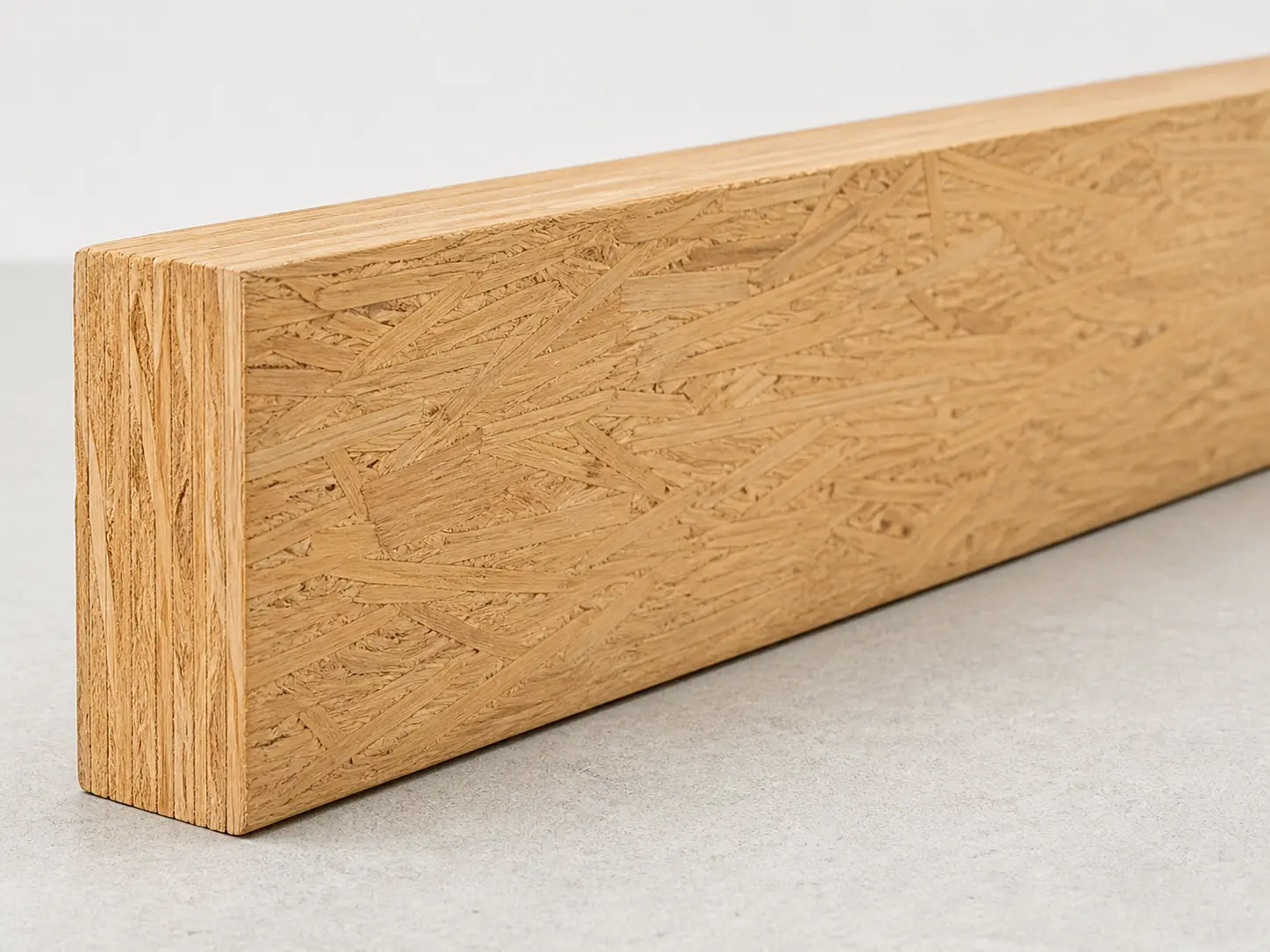
PSL / Engineered Strand Beam
The engineered wood beam with a distinct compressed strand / chip-like texture across the face.
Key Considerations
• Placement of temporary supports
• Load distribution during transition
• Maintaining alignment and stability
Process
Phase 3: Temporary Support & Preparation
Before any portion of a load-bearing wall is removed, the structure must be fully and intentionally supported. The loads carried by that wall do not disappear during construction, they must be safely redirected and held in place while the transition to the new structural system occurs.
Key Considerations
• Proper bearing at support points
• Post and column placement
• Load transfer to structure below
Process
Phase 4: Beam Installation & Load Transfer
Let’s Get Your Structure Right
Key Considerations
• Sequencing between trades
• Access and clearance requirements
• Minimizing disruptions during construction
Process
Phase 5: Permits, Inspections & Coordination






Your questions answered
Common services questions
Each step is planned and executed to maintain structural stability from start to finish.
We focus on completing the structural scope cleanly so the rest of your project can move forward without delay.
By keeping the permit limited to the structural scope, the process remains clear, predictable, and efficient.
We do not perform drywall, flooring, trim, electrical, plumbing, or other finish work. Those trades are handled separately by your contractor or project team.
By keeping our scope focused, we ensure the structural work is completed correctly, efficiently, and without overlap—allowing the rest of your project to move forward smoothly.